

What’s REALLY going on in Portugal
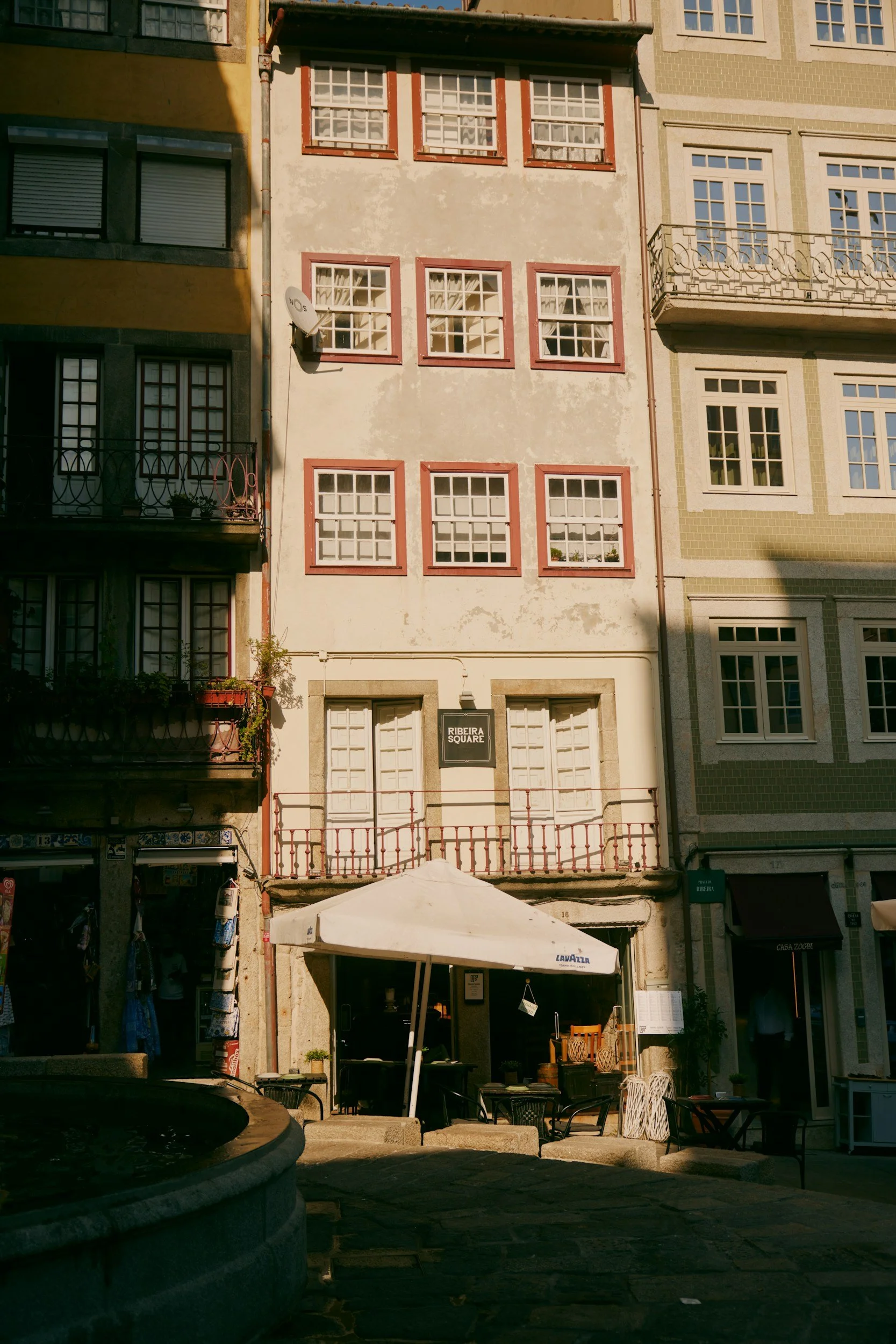
Portuguese cafe
I’m writing this from my usual corner café, watching a mix of locals and newcomers navigate the cobblestones, and I need to tell you what’s really happening here.
Because if you’ve been reading the international headlines this week, you might be worried. You might be questioning whether Portugal is still the place you thought it was.
Let me stop you right there.
What the Headlines Got Wrong (And What They Missed Entirely)
This week, Portugal made news. The government announced citizenship would now require ten years instead of five. An international school in the Algarve was shuttered for regulatory violations. And if you’re sitting in Brooklyn or Seattle reading those headlines, I understand why your stomach might have dropped a little.
But here’s what I see from my terrace, from my conversations at the market, from the rhythm of daily life that doesn’t make it into news alerts: Portugal isn’t closing its doors. It’s finally comfortable enough to be selective about who walks through them.
This is the story of a country that’s done apologizing for being incredible.
The Ten-Year Truth: When a Country Knows Its Worth
For years, Portugal was the friend who tried too hard at parties. Five-year citizenship! Golden visas! Come one, come all! And it worked—brilliantly. Talented people flooded in. Investment poured into Lisbon and Porto. The country transformed.
But something shifted. Somewhere between the third Michelin star restaurant opening in Lisbon and the moment when you couldn’t walk through Chiado without hearing four different languages, Portugal looked in the mirror and realized: We don’t need to offer the shortest path anymore. People want to be here for what we are, not for what we’re giving away.
The ten-year requirement? It’s not a wall. It’s a wedding vow.
Here’s what this actually means if you’re considering the move:
Portugal is saying: “We want you to learn Portuguese—really learn it, not just order pastéis de nata. We want your kids to grow up knowing fado from the inside. We want you here for the long game, not the passport sprint.”
And honestly? As someone who’s watched this country evolve, I’m here for it. The five-year path brought incredible people, yes. But it also brought a transience that never quite settled into community. Ten years means roots. It means the American family moving here isn’t just passing through—they’re staying. They’re opening businesses that will serve the next generation. They’re investing in neighborhoods, not just addresses.
The local perspective you won’t read elsewhere: Every Portuguese person I’ve spoken with this week—from my building manager to the woman who sells flowers at Campo de Ourique market—has said some version of the same thing: “Good. Now we’ll know who really wants to be here.”
That’s not hostility. That’s standards.
The School Story: What Actually Happened (and Why Parents Should Actually Feel Better)
Now, about those schools. Yes, one closed. The English International School in Lagoa didn’t have proper licensing, and the Ministry of Education shut it down mid-semester.
If you’re a parent, that sentence probably just activated your fight-or-flight response. I get it.
But here’s the fuller story that got lost in the outrage cycle:
Portugal’s international school system grew like wildflowers after rain—fast, abundant, and completely unregulated. As more global families arrived, entrepreneurs saw opportunity. Some built extraordinary institutions. Others... well, others saw dollar signs and parents too desperate for English-language education to ask hard questions.
This week, Portugal said: Not anymore.
The government isn’t cracking down on international education. It’s professionalizing it. It’s drawing a line between actual schools and expensive daycare centers with fancy websites.
What this means for you in practical terms:
If you’re researching schools right now, this is actually your advantage. Ask every school for their Ministry of Education license number. Not their accreditation from some international body nobody’s heard of—their actual Portuguese government license. The good schools will hand it over proudly. The sketchy ones will waffle.
This regulatory attention means that in two years, Portugal’s international school landscape will be stronger, more trustworthy, and more competitive with Spain and France. Short-term chaos for long-term excellence? I’ll take that trade every time.
The local insight: Portuguese parents are watching this too. They see international schools as premium options for their own kids. They want this sector to be bulletproof. This isn’t anti-expat energy—it’s pro-quality-education energy. We’re all parents first.
The Numbers That Tell the Real Story
But let’s step back from policy and talk about what’s actually happening in the streets, the markets, the notary offices.
Because while headlines debate visa timelines, the market is casting its vote with staggering clarity.
Here’s what went down this week that barely made news:
Over 50% of homes for sale in Lisbon are now priced above €500,000. Let that sink in. This isn’t a city pricing itself out of existence—it’s a city that understands its value. These aren’t speculative properties sitting empty. They’re being bought, often in cash, by people who see what locals have known for years: Lisbon is underpriced for what it offers.
Portugal’s expat community has grown 150% since 2018. That’s not a typo. While Spain got more tourists, Portugal got more residents. People who looked at both countries and chose the one with better infrastructure, clearer immigration paths, and—let’s be honest—better seafood.
The Golden Visa backlog? The government committed publicly this week to clearing it by 2026. Thousands of biometric appointments are being scheduled as I write this. The machine is slow, but it’s moving. And unlike some European countries (looking at you, various bureaucracies that shall remain nameless), when Portugal commits to a deadline, they tend to hit it.
What I’m seeing from ground level:
Construction cranes across Lisbon. New restaurants opening in neighborhoods that were sleepy five years ago. My accountant is busier than ever. The shipping company that handles international moves can barely keep up with demand.
This is what confidence looks like. Not the fake, pump-and-dump confidence of a speculative market, but the deep, structural confidence of people betting their futures on a place.
So What’s the Real Story Here?
Portugal is graduating.
For the last decade, this country has been the scrappy underdog, the hidden gem, the “best kept secret” that stopped being secret around 2017. We were grateful for attention, hungry for investment, willing to bend over backward to prove we were worth it.
That era is over.
The changes this week—the citizenship timeline, the school regulations, even the housing market prices—they all tell the same story: Portugal knows what it is now. And it’s not apologizing.
This is a country that survived dictatorship, economic crisis, and bailouts, and came out the other side with functioning democracy, world-class infrastructure, and a quality of life that makes Americans weep when they visit. Portugal doesn’t need to offer shortcuts anymore. The destination is enough.
What This Means If You’re Actually Planning the Move
If you’re reading this from a rainy Tuesday in Chicago or a traffic jam in LA, wondering if Portugal is still the right choice, let me be crystal clear:
Yes. Maybe even more so now.
Because the ten-year path filters for commitment. It means the community you’re joining will be deeper, more invested, more real. The school regulations mean your kids won’t get caught in a scam disguised as education. The strong market means your investment is sound, backed by genuine demand and economic strength.
Portugal isn’t perfect. The bureaucracy can be Kafka-esque. Learning Portuguese is harder than you think. The healthcare system, while excellent, requires patience to navigate. Winter in a house without central heating is a character-building experience.
But here’s what you get: Safety. Community. A pace of life that lets you remember what your kids’ laughter sounds like. Beaches that make the Mediterranean look crowded. Wine that costs €4 and tastes like €40. A government that, for all its quirks, actually seems to care about building something lasting.
The golden age isn’t coming to Portugal. It’s already here. You can feel it in the energy, see it in the data, taste it in the growing confidence of a nation that’s finally comfortable in its own skin.
The question isn’t whether Portugal is still a good bet. The question is whether you’re ready to make the kind of commitment Portugal is now asking for.
And honestly? That’s exactly the question worth asking.
Your friend
Emily (&the team at Europe Awaits)